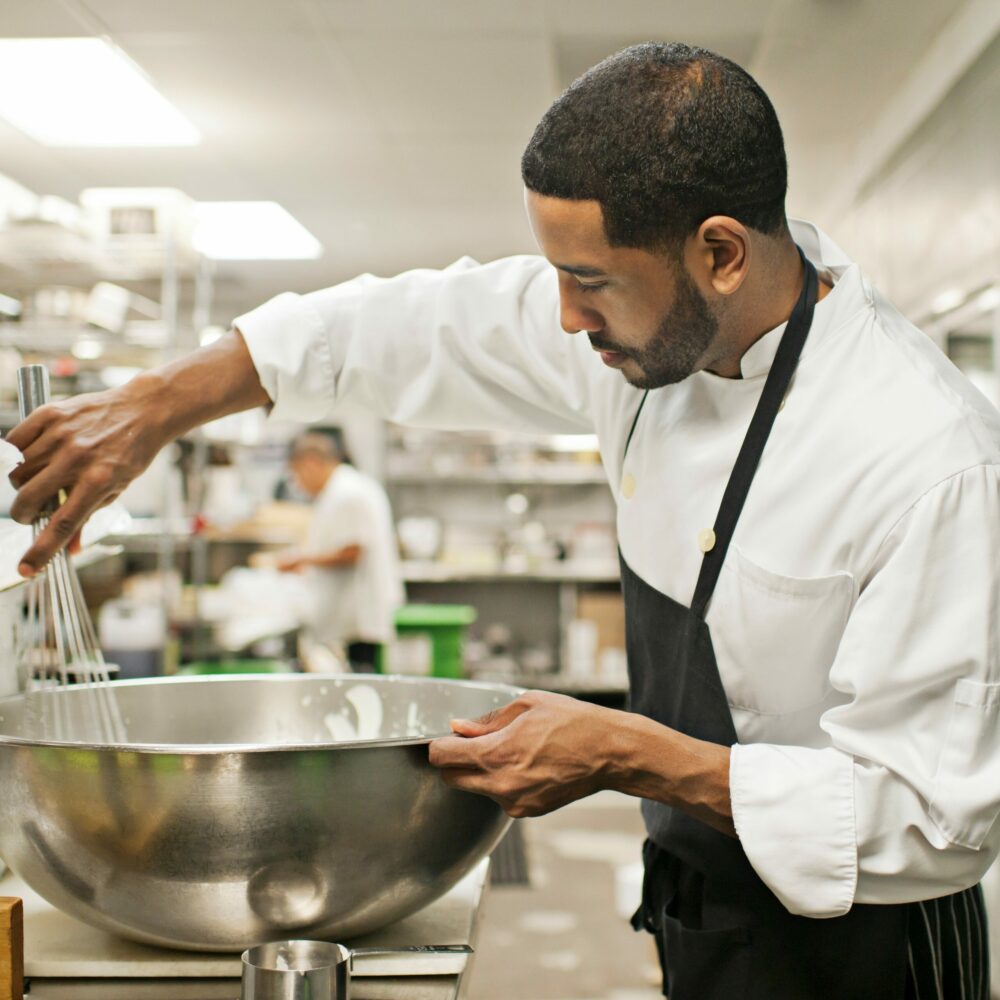
Culinarian working in a commercial kitchen

Working Around Today’s Labor Shortage

AN EVOLVING INDUSTRY IS CHANGING THE GAME.

Foodservice job openings are everywhere—and filling them is a big issue. Understaffing is something every operator—from full service, quick-service and fast-casual segments—experiences. Just 10% of operators are confident labor levels will normalize in 2023, and as a result, more are seeking solutions via new products and pre-made offerings.

THE CHALLENGES ARE REAL. THE SOLUTIONS, DELICIOUS.

Despite the daunting statistics, flexibility, creativity and a healthy helping of innovation make it possible to stay ahead of the shortage.
Nearly 75%

Operators experiencing difficulty with staffing/retention.

Datassential – 2023 Pulse: Industry Overview, Mar ‘23

82%

Operators seeing an increase in labor costs last year.

Datassential – Labor Deep-Dive, Jan ‘23

41%

Operators are opting for supplies that work across menu items.

CPP, Impact of Inflation in Foodservice, 2022

30%

Of Operators are already implementing (or are planning) more efficient solutions to fight inflation.

National Restaurant Association, Restaurant Trends Survey, 2021
Culinarian preparing food

RICH’S ACADEMY: A FREE, ON-DEMAND TRAINING PLATFORM

NEW COURSE: LABOR SOLUTIONS

Labor continues to be a challenge across the food industry. Rich’s is here to partner with you on solutions to ease labor constraints. Restaurant owner and private chef Darian Bryan showcases ways to combat labor shortages and easily create a more efficient workplace.

Five ways operators can address the labor crunch and still meet customer appetites: 

Simplify your menu.

Put the spotlight on what your business does best and focus your innovation on a smaller set of core menu items. A number of operators have already made the shift: Six in 10 say their menu contains fewer offerings than pre-pandemic.

Breakfast on a plate

Optimize your menu with products that work across dishes and dayparts.

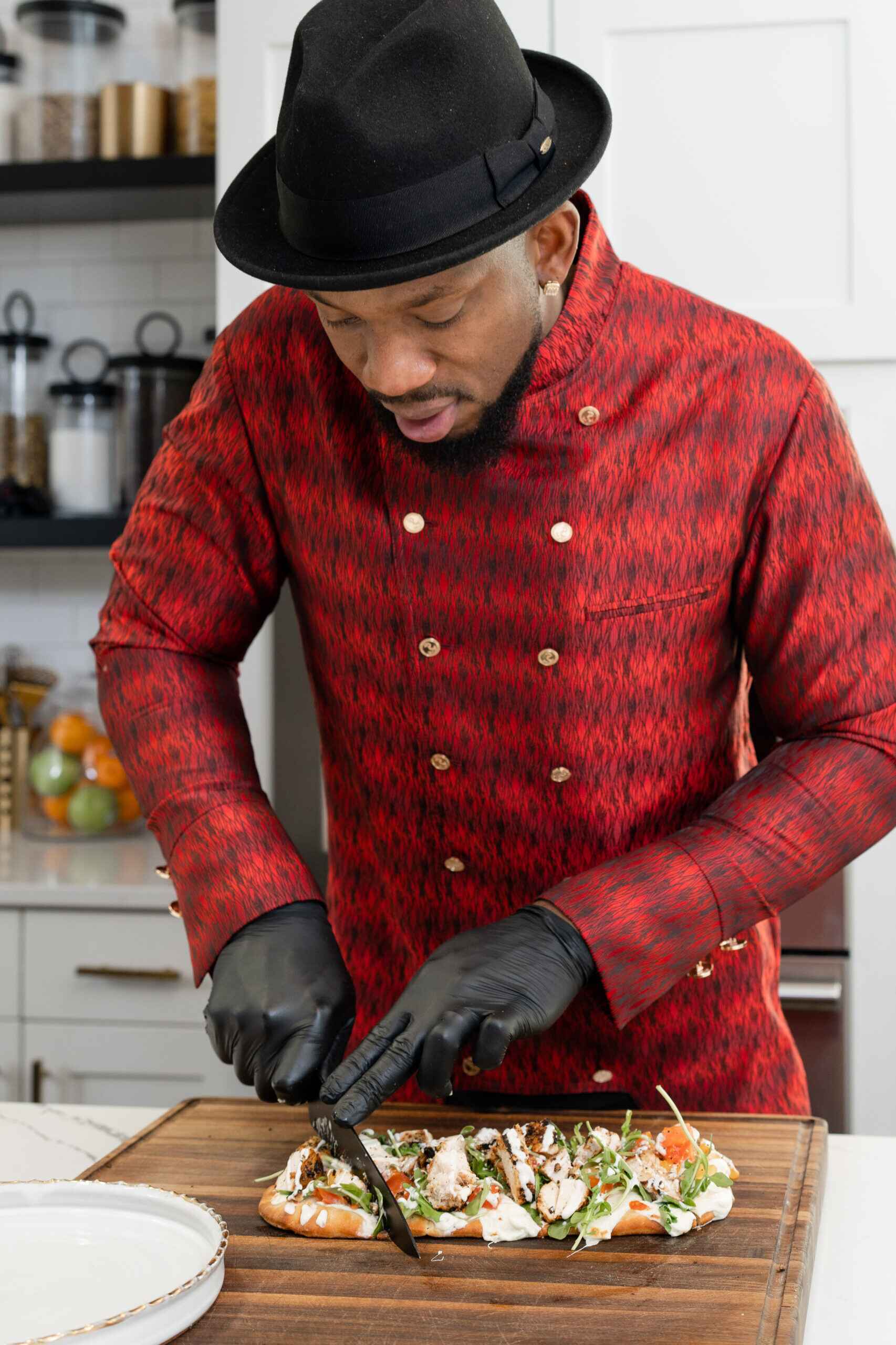
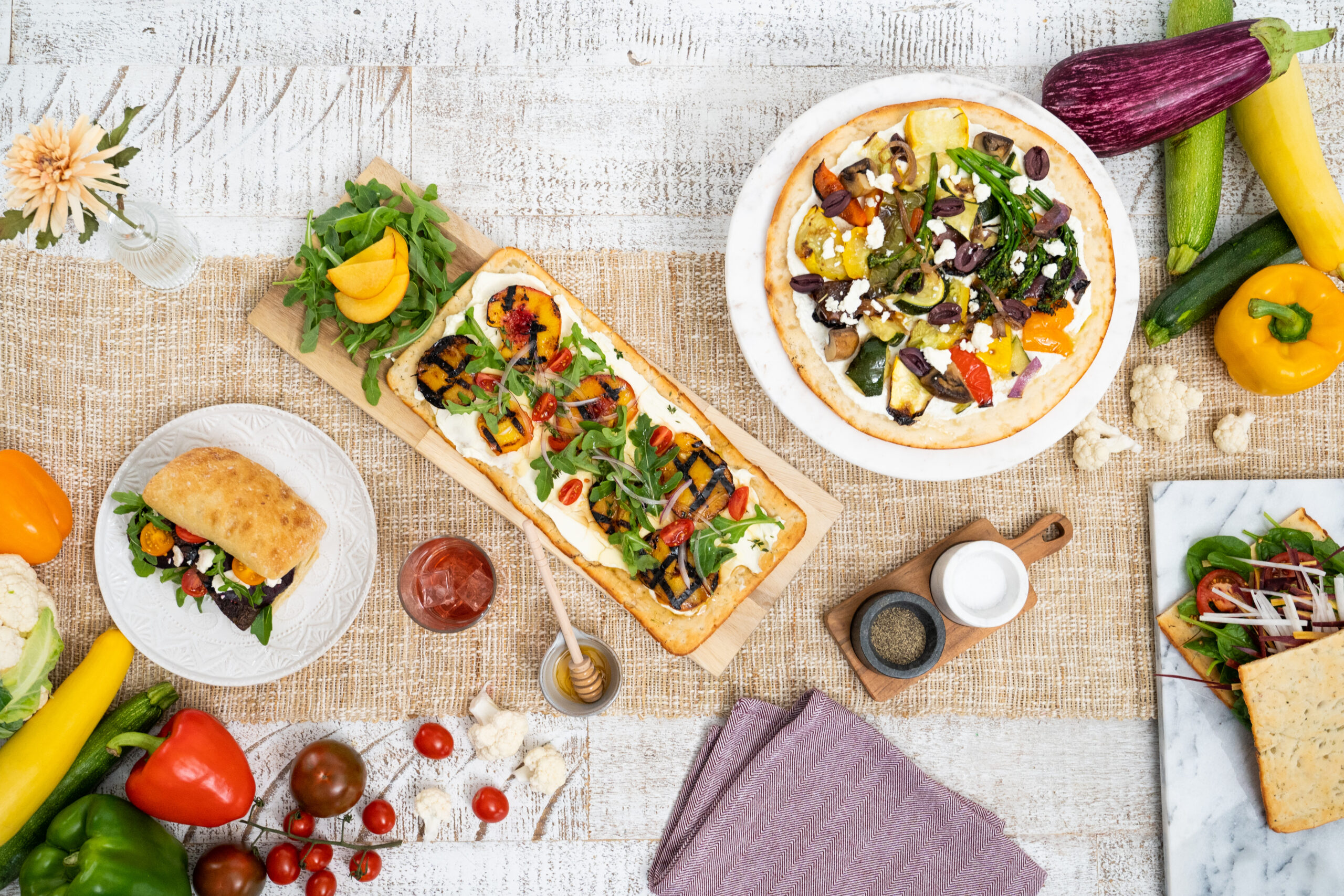
Choose ingredients that will work across dishes. Need some inspiration? Think about a flatbread: it works great as a base for a pizza, but also can be used as a sandwich carrier, taco shell, or even fried up to use as side for a dip. It can also work across all dayparts, from a breakfast pizza for the AM to a French dip sandwich for lunch to a chicken shawarma wrap on your dinner menu. 

Make simple swaps.

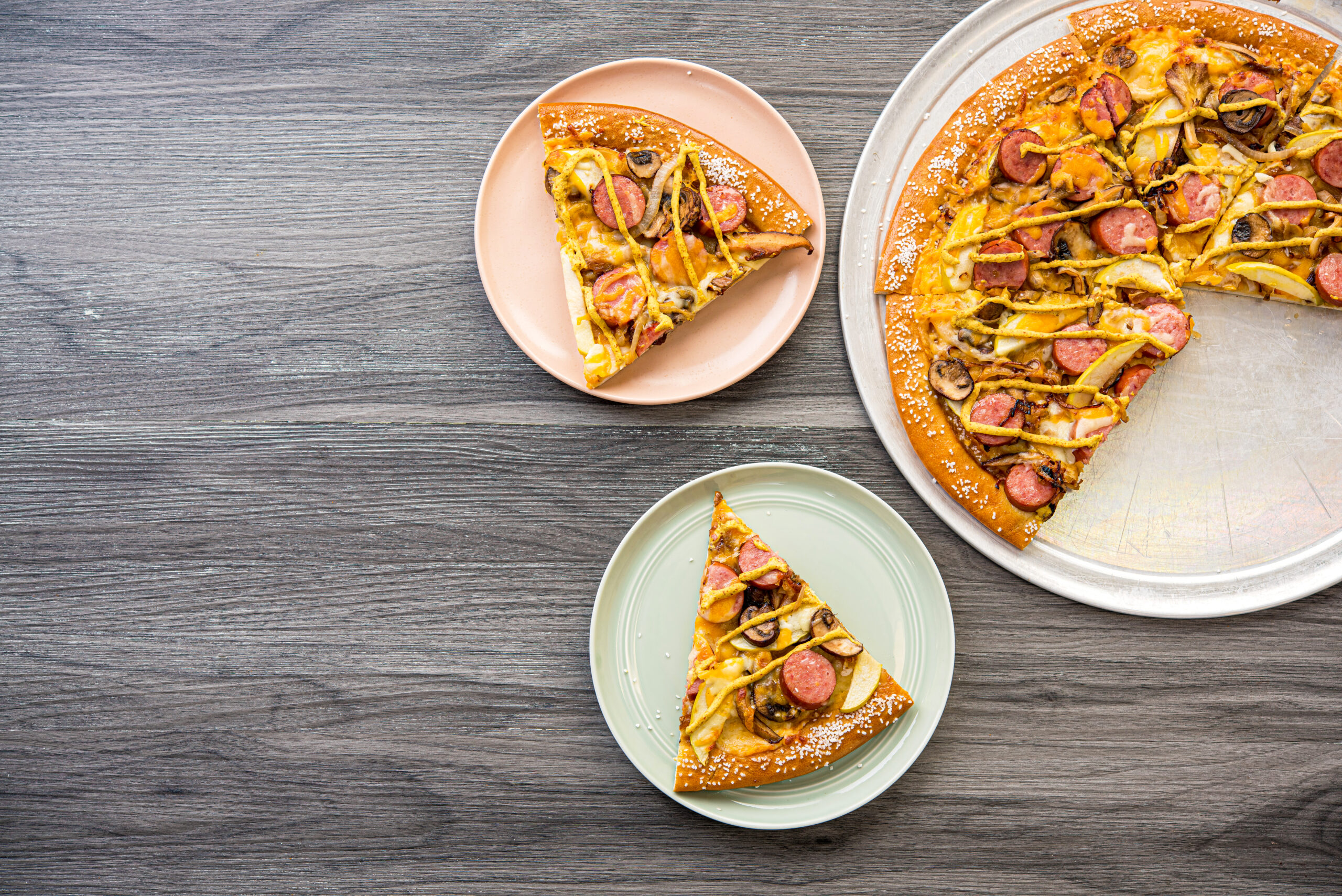
Refresh your menu with simple swaps to keep your offerings fresh. And use known products to make the most of seasonal moments—for instance, your chosen pizza crusts be used to craft a veggie-packed summertime pie or an Oktoberfest pizza come fall. Keep things easy to execute to avoid the need for extra training.

Pulled pork on a bun on a cutting board

Switch from scratch to save labor.

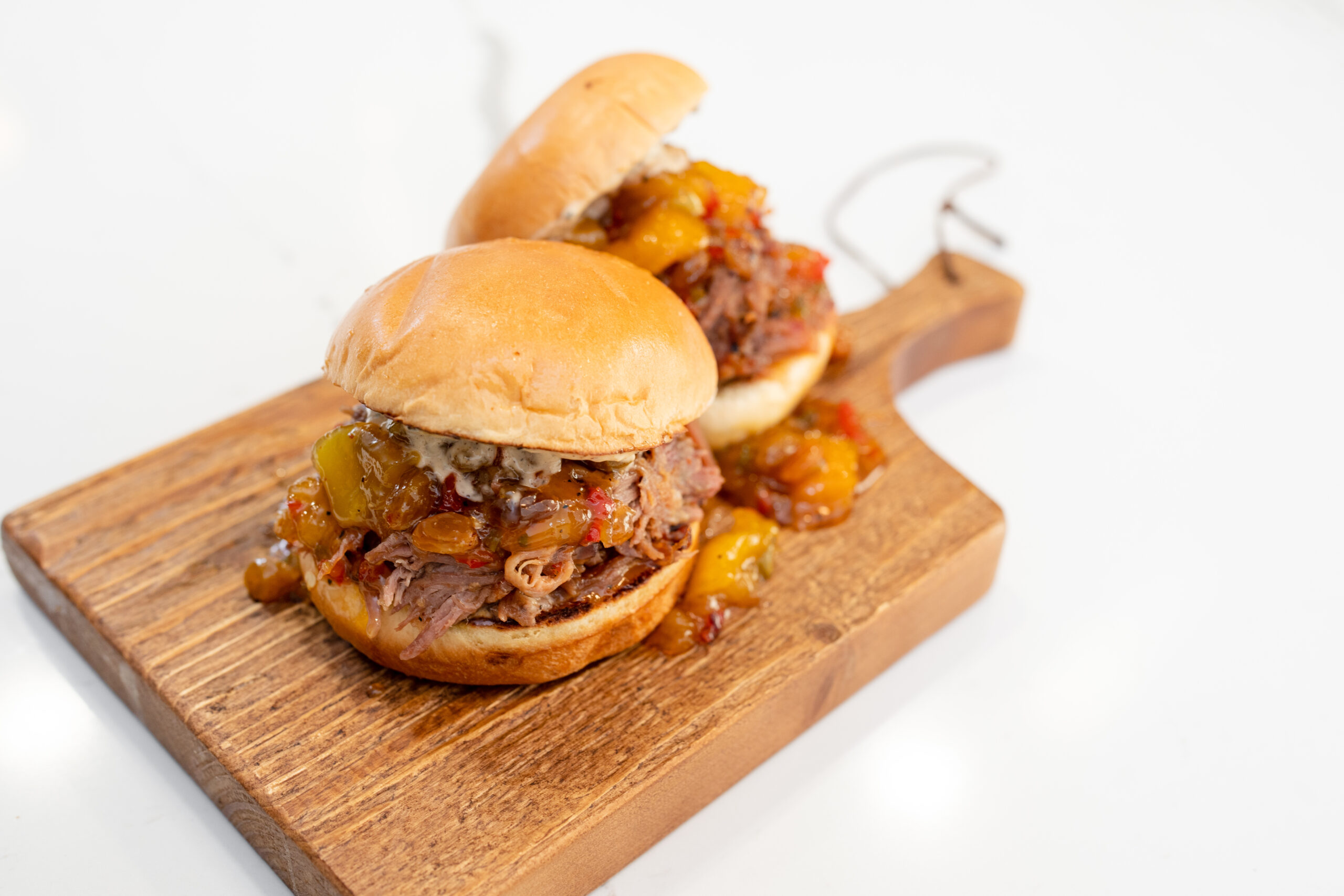
One in three operators say their staff now has less culinary skill. Bridge the knowledge gap with partially or fully finished products in your kitchen. Try relying on delicious smoked pulled pork that comes ready-made, the right convenience items can make back of house operations easier—without sacrificing taste.

Lean on your reps for insights and training.

Don’t forget to seek out training resources. (You’ll be in good company: nearly 90% of operators today say they appreciate support from outside their that yields valuable insights). Operators may also have resources for particular products or brands to help you make the most of your menu.  


Take me back to the Resource Center!